Scott 3200A Tailwheel – Fully Rebuilt: Durable Tailwheel Steering and Landing Gear Solution
Scott 3200A Tailwheel – Fully Rebuilt: Durable Tailwheel Steering and Landing Gear Solution
Blog Article
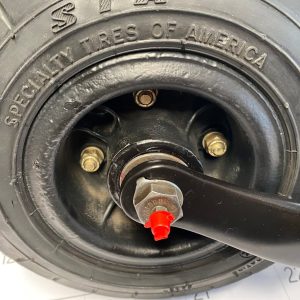
The Scott 3200A Tailwheel – Fully Rebuilt may suit classic airplanes, utility aircraft, bush planes, experimental designs, and other compatible general aviation platforms. The quality of the rebuild depends on workmanship, parts selection, dimensional condition, technical procedures, final adjustment, and available documentation.
The Scott 3200A Tailwheel Assembly combines wheel support, directional steering, swiveling capability, and tail-load management within one compact component. A Scott Tailwheel Assembly can develop wear through repeated taxi cycles, landings, vibration, dirt exposure, moisture, poor lubrication, incorrect alignment, or unsuitable adjustment.
The Aircraft Tailwheel Assembly carries here tail loads while allowing the aircraft to taxi, turn, park, take off, and land on suitable surfaces. A General Aviation Tailwheel may be used on training aircraft, classic taildraggers, bush airplanes, utility platforms, experimental aircraft, and restored vintage designs.
Whether the requirement is an Aircraft Tailwheel, Taildragger Tailwheel, Aviation Tailwheel System, or Tailwheel Steering Assembly, exact compatibility should guide the purchase.
Why Aircraft Owners Choose the Scott 3200A
The assembly can respond to normal steering input while allowing broader movement when its internal mechanism releases appropriately. A system-level evaluation can identify the true cause of binding, looseness, poor centering, irregular tire wear, or inconsistent ground control.
Scott 3200A Tailwheel Assembly Features
The assembly is intended to withstand repeated ground operation when installed, adjusted, lubricated, and serviced correctly. Reusable parts may remain acceptable when they pass inspection, while worn or damaged components should be replaced appropriately.
Scott Tailwheel Assembly Rebuild Process
The rebuilder should evaluate corrosion, cracking, bearing condition, spring strength, steering engagement, axle wear, bushing clearance, and fastener serviceability. A written work summary helps explain how the seller defines the assembly’s condition.
Aircraft Tailwheel Assembly Benefits
The assembly carries tail weight while managing runway irregularities, side loads, repeated landing cycles, and directional forces. A bent or fatigued tail spring can alter alignment and the aircraft’s ground attitude.
Benefits of a General Aviation Tailwheel
Each operating environment places different demands on the tire, wheel, fork, bearings, steering mechanism, hardware, and lubrication. Professional verification helps prevent unsuitable installation and unnecessary project expense.
Aircraft Tailwheel Steering Performance
A well-maintained Aircraft Tailwheel can support smoother tracking and reduce unnecessary pilot workload. Abnormal wear may indicate misalignment, bearing problems, repeated shimmy, poor adjustment, or use on abrasive surfaces.
Taildragger Ground Handling
Taildragger pilots coordinate rudder, brakes, power, and tailwheel input to maintain ground stability. Repeated hard pivoting can increase wear on the tire, bearings, springs, steering arms, fork, and mounting hardware.
Understanding an Aviation Tailwheel System
A worn tail spring or loose mounting bolt may cause poor tracking even when the rebuilt tailwheel remains mechanically serviceable. Excessive slack can delay steering response, while excessive tension may restrict movement or overload components.
Tailwheel Steering Assembly Performance
A professional rebuild should address the complete Tailwheel Steering Assembly rather than only visible exterior parts. Correct clearance prevents binding and unnecessary mechanical loading.
Aircraft Taxi Steering Performance
Poor steering response can increase tire wear, brake use, pilot workload, and difficulty in confined spaces. Responsible ground movement protects the Aircraft Ground Handling Tailwheel and surrounding structure.
Scott 3200 Series Tailwheel Heritage
Operators may value the availability of maintenance experience and replacement components for suitable configurations. Buyers should verify markings, mounting dimensions, steering-arm arrangement, wheel configuration, and included components.
Maintaining a Heavy-Duty Aircraft Tailwheel
The tailwheel should match the aircraft’s suitable configuration, tail load, geometry, and operating environment rather than being selected from appearance alone. Preventive maintenance supports reliable Heavy-Duty Aircraft Tailwheel operation.
Inspecting Tailwheel Aircraft Parts
Visually similar hardware can differ in dimensions, material, strength, finish, or mechanical fit. A weak spring, worn bushing, rough bearing, damaged pawl, or incorrect fastener may create movement throughout the mechanism.
Benefits of an Aircraft Steering Tailwheel
A rebuilt steering mechanism should be evaluated for smooth, consistent, and repeatable operation. Pilots should use techniques appropriate to the aircraft and avoid unnecessary mechanical stress.
Replacement Aircraft Tailwheel Guide
The removed assembly can provide useful measurements, markings, hardware details, and steering-arm orientation. A professional pre-installation review protects both the aircraft and the buyer’s investment.
Choosing General Aviation Landing Gear Parts
Each component contributes to aircraft support, ground control, steering, braking, or load absorption. Transparent descriptions support trust among aircraft owners, sellers, and maintenance professionals.
Rebuilt Tailwheel Buying Checklist
The buyer should request enough information for a qualified maintenance professional to review the assembly before purchase.
- Resolve identification, compatibility, and completeness questions before payment.
- Arrange professional evaluation when rebuild quality, structural condition, or internal serviceability remains uncertain.
- Confirm the seller’s terms, written invoice, rebuild documents, payment protection, shipping insurance, packaging method, inspection period, and return conditions.
Installing the Scott 3200A Tailwheel
The aircraft should be supported safely while the existing assembly, tail spring, steering links, mounting bolts, and surrounding structure are inspected. The tailwheel should move through its intended range without binding, abnormal looseness, interference, or contact with surrounding components.
A post-installation inspection can confirm hardware security and reveal early movement marks.
Protecting a Rebuilt Tailwheel Assembly
The rebuilt assembly should be inspected according to aircraft use, operating surface, maintenance requirements, and observed condition. Pilots should inspect the tailwheel before operation for tire damage, loose hardware, bent parts, steering-link condition, contamination, corrosion, and visible misalignment.
Corrosion protection may be especially important in humid, coastal, agricultural, outdoor-storage, or wet operating environments.
Buying a Fully Rebuilt Scott Tailwheel
When professionally inspected, installed, adjusted, tested, and maintained, the Scott 3200A Tailwheel – Fully Rebuilt can become a reliable component of a compatible conventional-gear aircraft. Buyers should request detailed photographs, rebuild records, accurate condition disclosures, secure transaction terms, qualified review, and protective shipping.
Whether the requirement is a Scott 3200A Tailwheel Assembly, Scott Tailwheel Assembly, Aircraft Tailwheel Assembly, or General Aviation Tailwheel, exact installation details should guide the purchase. With transparent rebuild records, secure mounting, serviceable steering components, and careful taxi testing, the Scott 3200A can support predictable ground handling.
Report this page